Collar above the body
A fabric skirt extends above the top panel and folds over the filling spout.


Common FIBC constructions side by side — top, loop and base combinations. Every model below is available in the dimensions, fabric weight and safety factor your load requires.

Extrusion, weaving, cutting, sewing, printing and inspection are completed in one facility, so fabric quality and stitching standards stay consistent from the first metre to the last bag.

A fill skirt — also called a duffle top — is a fabric collar sewn above the bag body. After the bag is spotted under the filling spout, the collar is pulled up over the spout and tied off, so the material drops into an enclosed neck instead of an open mouth.
Powders and fine granules throw dust into the air at the moment they are loaded. With an open top that dust settles on the platform, the operator and the machinery; with the collar tied around the spout, most of it stays inside the bag. The same collar, closed after filling, also keeps rain and grit off the product in the yard and in transit.
The skirt is folded down flat for shipping, so it adds nothing to the packed height of the bale.
Dust control is a housekeeping problem before it is a quality problem — the skirt puts the dust back where it belongs.
A fabric skirt extends above the top panel and folds over the filling spout.
Drawcord or fabric ties close the collar after filling, so the bag leaves the station sealed.
Loading happens inside an enclosed neck, which holds most of the airborne dust in the bag rather than on the platform.
A closed collar keeps rain, wind-blown dust and debris off the product in outside storage and on the truck.
Specified for powders, pigments and granules where an open mouth would lose product and dirty the area.
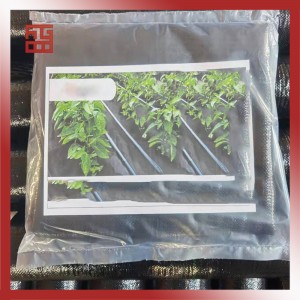
PE liner, document pouch, UV treatment and printing up to eight colours.
Skirt diameter, collar height and tie type are set against your filling spout before production. Ratings and fabric weight confirmed against your load.
Length, width and height set to your filling line and container plan.
Webbing width, loop length and spacing matched to your hook or tines.
Basis weight and coating chosen for load, dust and moisture.
Artwork confirmed with you before the print run starts.
Bales are pressed and container-loaded to maximise each shipment. Ocean freight for full container loads, land transport for regional delivery, air freight available for urgent samples.

Cross corner for crane and hoist lifting, where the bag hangs from four diagonal points. Side-seam when bags run on automated lines and the footprint has to stay compact and repeatable.
Yes. With the loops held upright, the tines pass through the loop openings for short-distance movement. For crane or hoist lifting, check that the hook or spreader bar is rated for the load.
Product must stay dry or the bag has to be dust-tight — choose coated. Product needs to breathe, or cost is the priority for a dry, coarse material — choose uncoated.
Bag size, target weight, the material, and how the bag is filled and emptied. That is enough for us to confirm fabric weight, loop specification and safety factor.